
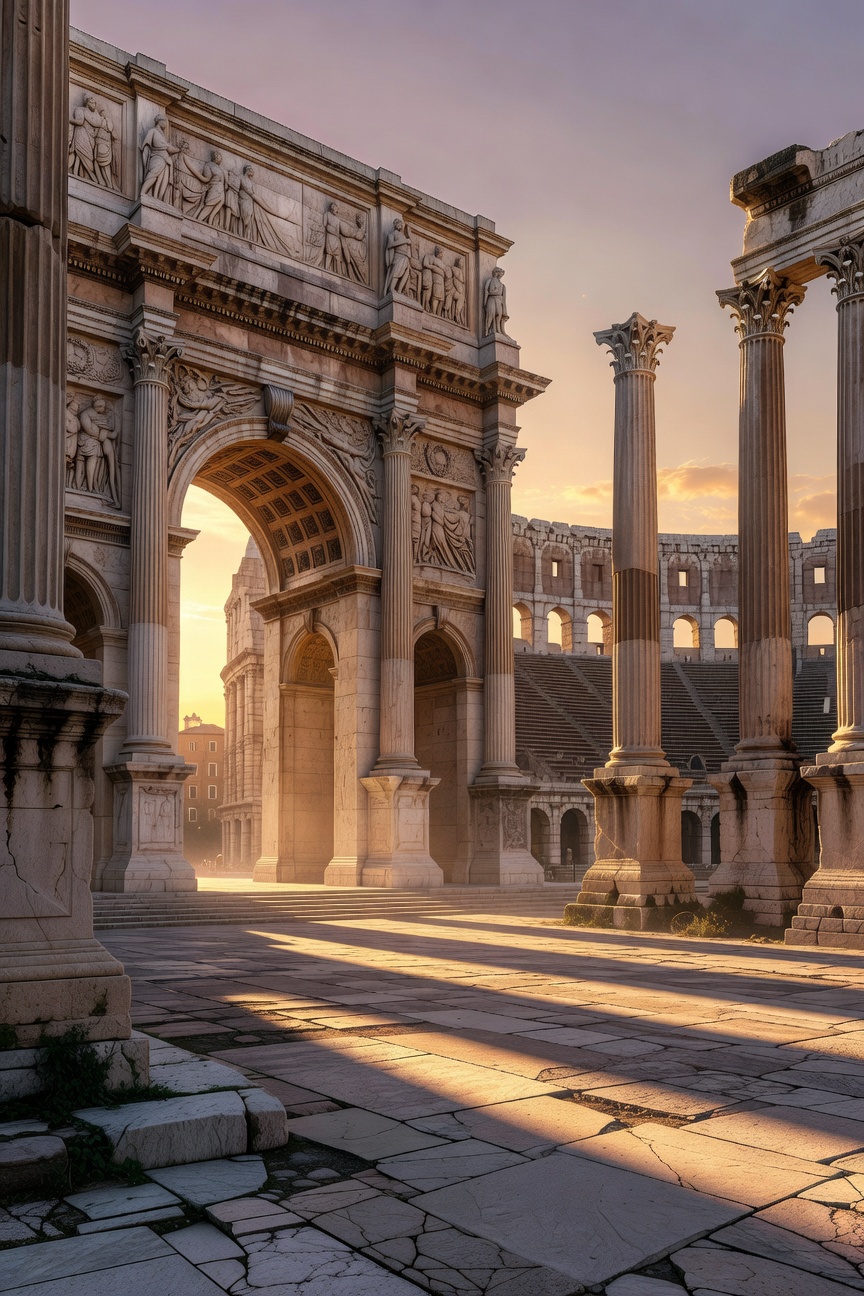
The Echoes of Antiquity
There is a specific kind of magic required to make history feel not like a textbook, but like a memory. In The Echoes of Antiquity, Marcus Thorne accomplishes precisely this. He resurrects 19th-century Rome with such tactile precision that you can almost smell the rain on the cobblestones and feel the oppressive heat of the Italian sun.
The novel follows Elias Vance, a disgraced antiquarian who arrives in Rome searching for a lost text that purportedly contains the last unedited words of Emperor Augustus. What begins as an academic pursuit quickly spirals into a labyrinthine plot involving secret societies, Vatican politics, and a murder that mirrors ancient rituals.
"Thorne doesn't just write historical fiction; he excavates the past and serves it to us, breathing and bloody, on a silver platter."
A Masterclass in Atmosphere
What sets this book apart is its pacing. Thorne treats the city of Rome as a primary character. The ruins are not mere backdrops; they are active participants in Elias's journey. The prose is dense but never sluggish, demanding the reader to slow down and savor the imagery. It is a book best read with a strong cup of black tea on a quiet, overcast afternoon.
Our verdict? This is a triumphant, deeply researched novel that respects the intelligence of its reader while providing a thrilling, page-turning narrative.
You Might Also Enjoy